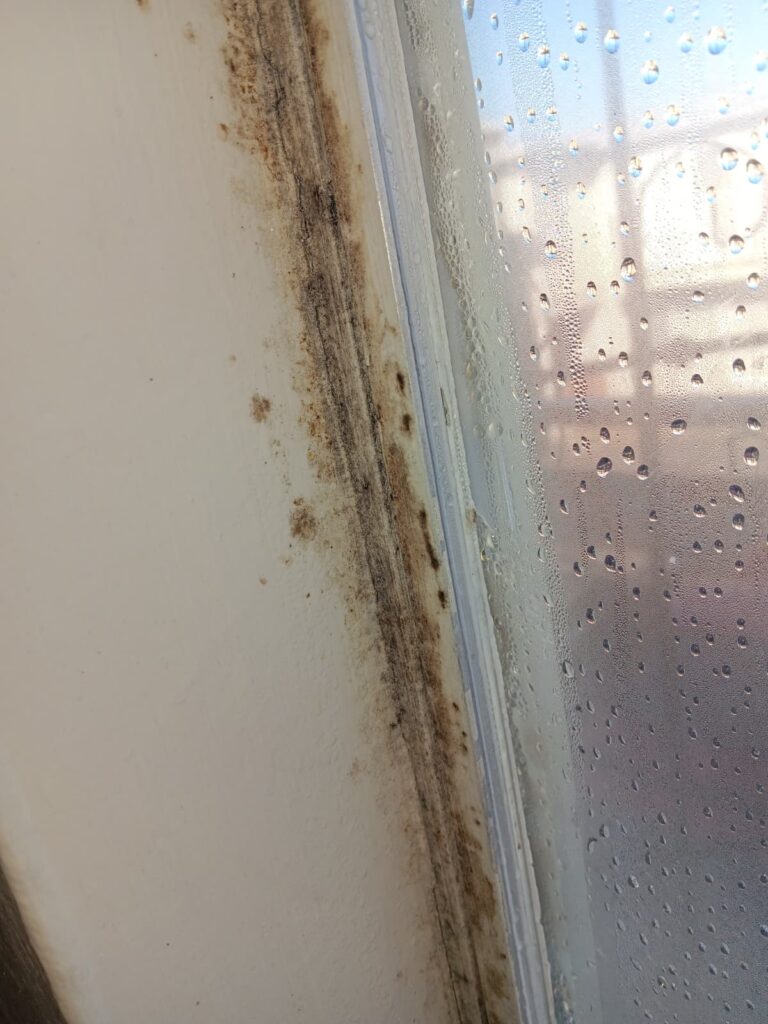
What is Mold?
Mold is a type of fungus that naturally exists in the environment. Outdoors, it plays an important role in breaking down organic materials such as fallen leaves and plant debris.
Mold reproduces by releasing microscopic spores into the air. These spores are present almost everywhere, both outdoors and indoors. Because of this, it is impossible to completely eliminate mold spores from the environment.
Indoors, mold becomes a concern when these spores land on surfaces that provide the right conditions for growth.
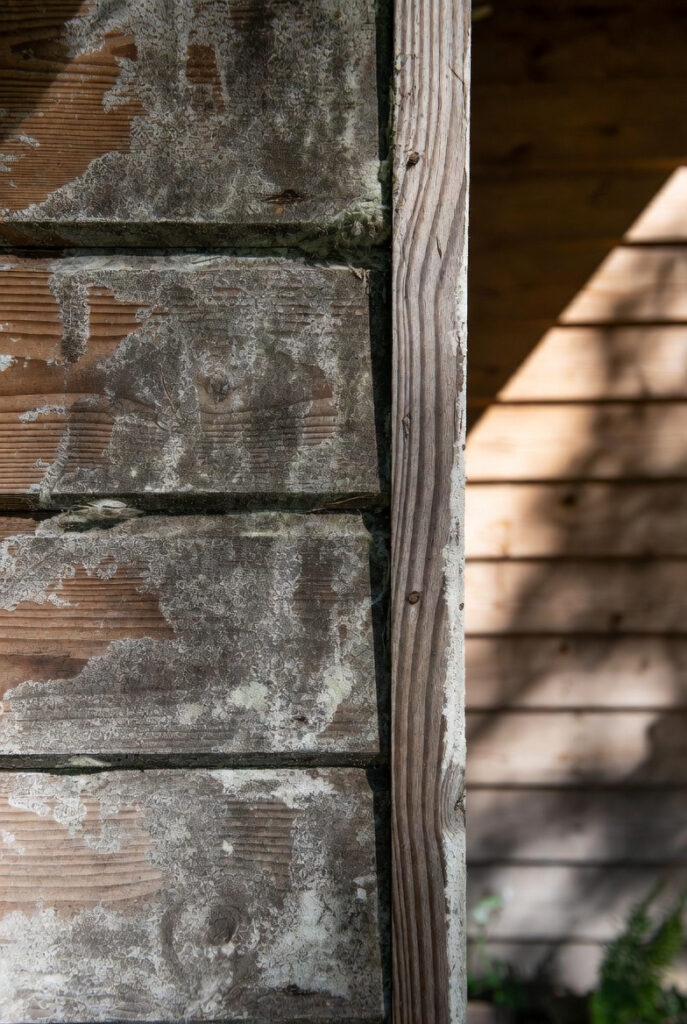
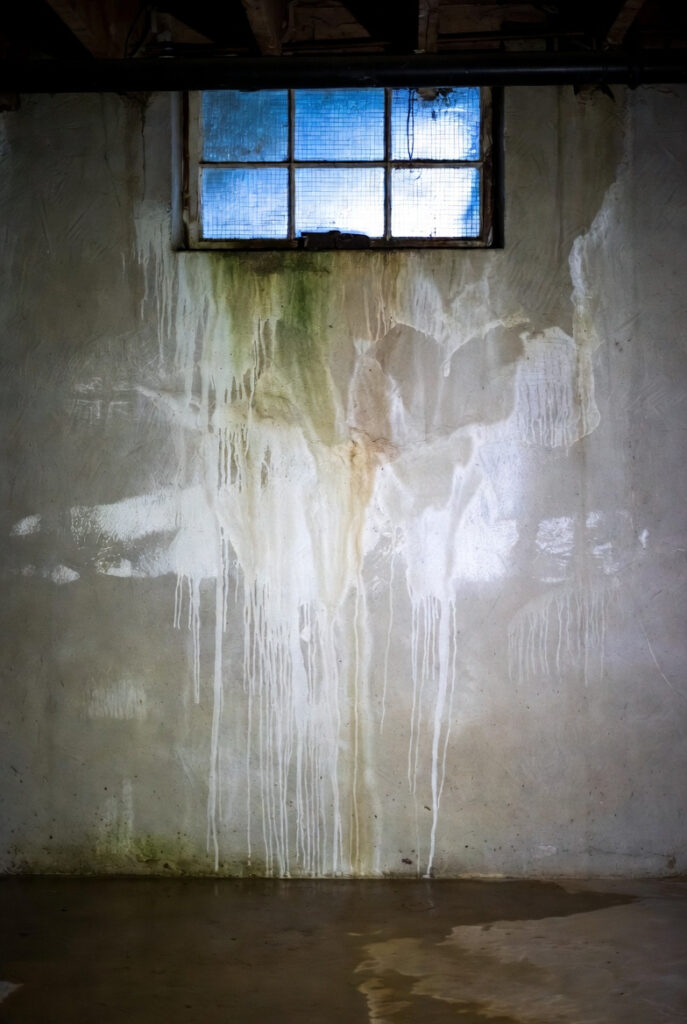
Conditions That Allow Mold to Grow
For mold to develop indoors, three basic conditions must be present:
Moisture
Moisture is the most critical factor in mold growth. Without adequate water or humidity, mold cannot survive.
Organic Material
Many building materials can serve as a food source for mold, including:
- Drywall
- Wood
- Ceiling tiles
- Carpet and fabrics
- Paper based materials
- Dust and organic debris
Temperature
Most indoor environments provide temperatures that are suitable for mold growth.
Because these conditions are common in buildings, controlling moisture is the most effective way to prevent mold growth.
Common Sources of Moisture in Buildings
Moisture can enter a building in different ways, including:
Roof and Exterior Leaks
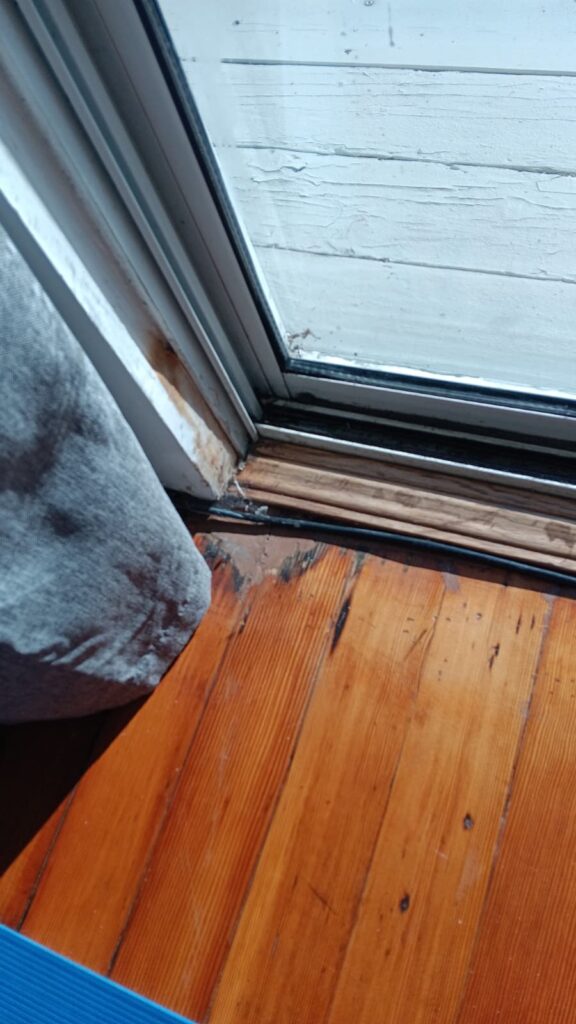
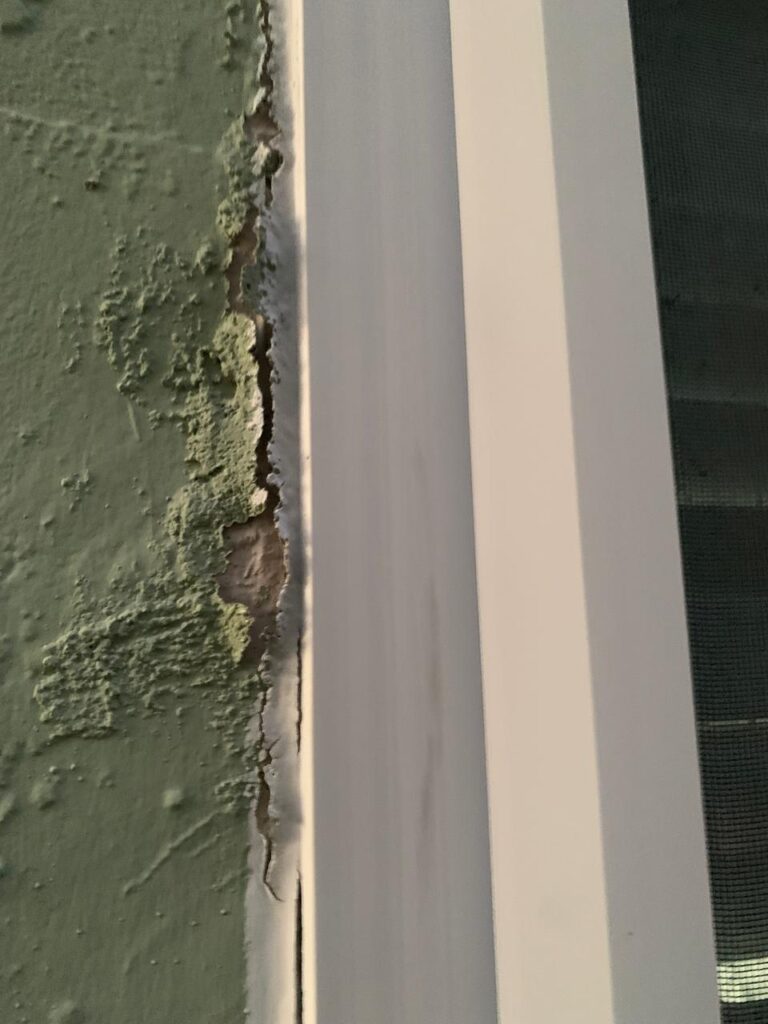
Rainwater may enter through damaged roofs, windows, or gaps in the building envelope.
Plumbing Problems
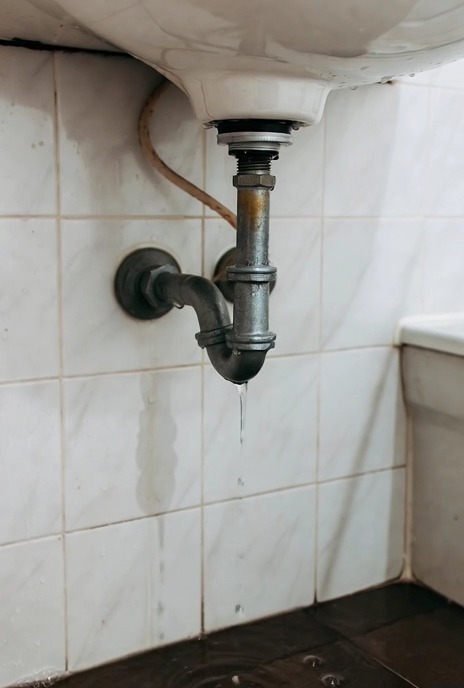
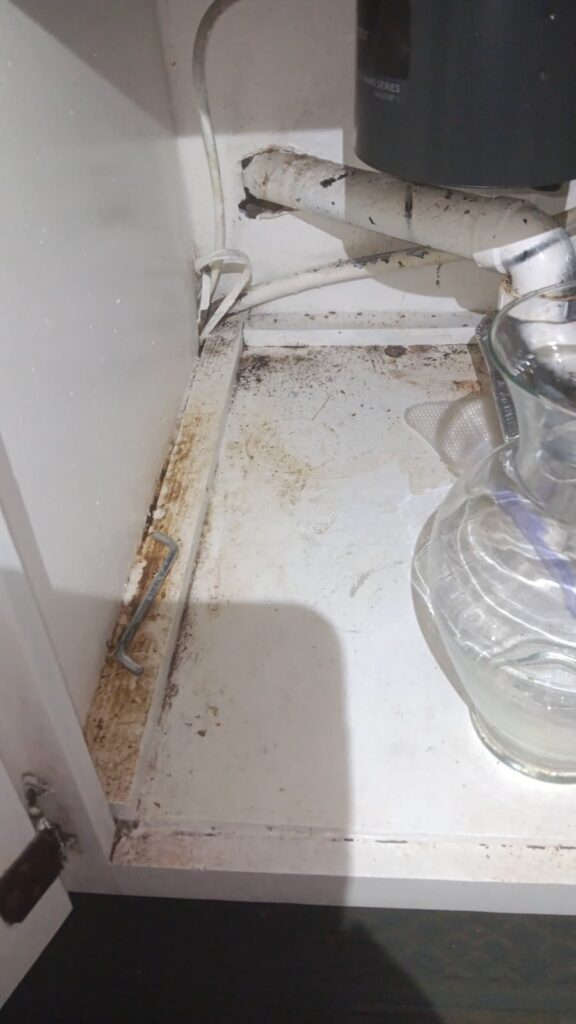
Leaking pipes, drain backups, or faulty appliances can introduce water into walls, floors, or cabinets.
High Indoor Humidity
Relative humidity above 60% can create conditions where mold can grow even without a visible water leak.
Everyday Activities
Normal household activities can increase indoor moisture levels, such as:
- Cooking
- Showering without ventilation
- Drying clothes indoors
- Overwatering indoor plants
Why Mold Indoors Is a Concern
When mold grows inside a building, it can affect both the property and indoor air quality.
Potential Health Effects
Some people may experience reactions when exposed to mold spores. These reactions may include:
- Sneezing or nasal congestion
- Eye irritation
- Skin irritation
- Respiratory discomfort
Individuals with asthma or allergies may be more sensitive to mold exposure.
Property Damage
Mold can gradually damage the materials it grows on. Over time, this may lead to:
- Wood deterioration
- Damage to drywall or ceiling tiles
- Carpet contamination
- Surface staining and discoloration
In severe cases, building materials may require replacement.
What Happens During a Mold Inspection?
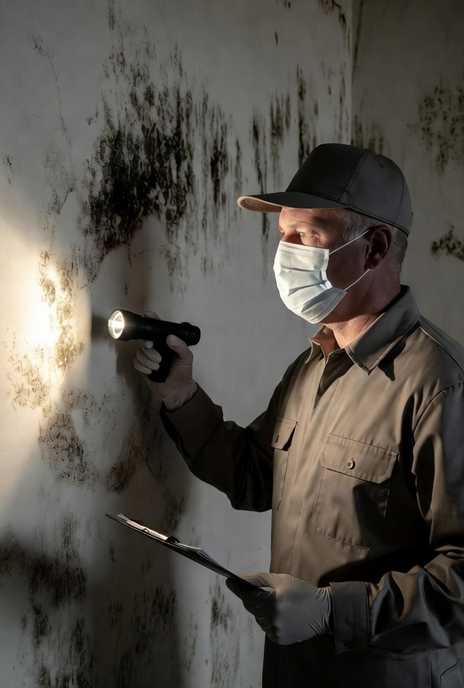
A mold inspection is a specialized assessment designed to evaluate potential mold growth and moisture conditions within a building.
The inspection process typically includes:
Visual Inspection
The inspector evaluates accessible areas for visible mold growth, water damage, and conditions that may support mold development.
Moisture Detection
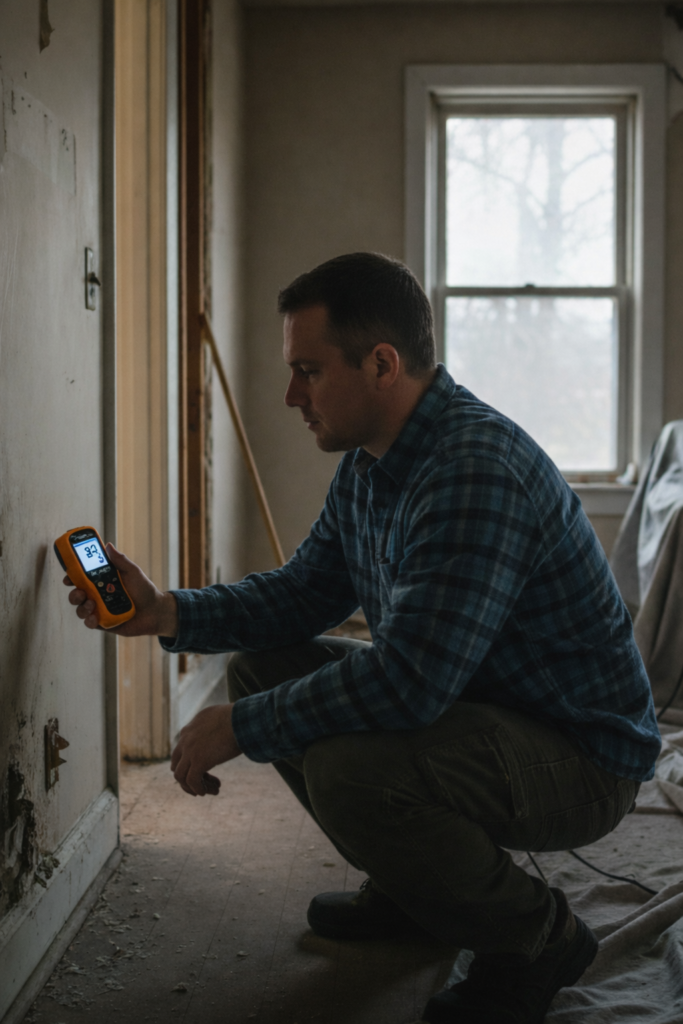
Specialized tools are used to detect moisture that may not be visible to the naked eye.
Common tools include:
- Moisture meters
- Thermal imaging cameras
These tools help identify hidden moisture inside walls, ceilings, and floors.
Mold Sampling (When Necessary)
If needed, samples may be collected for laboratory analysis.
Types of samples may include:
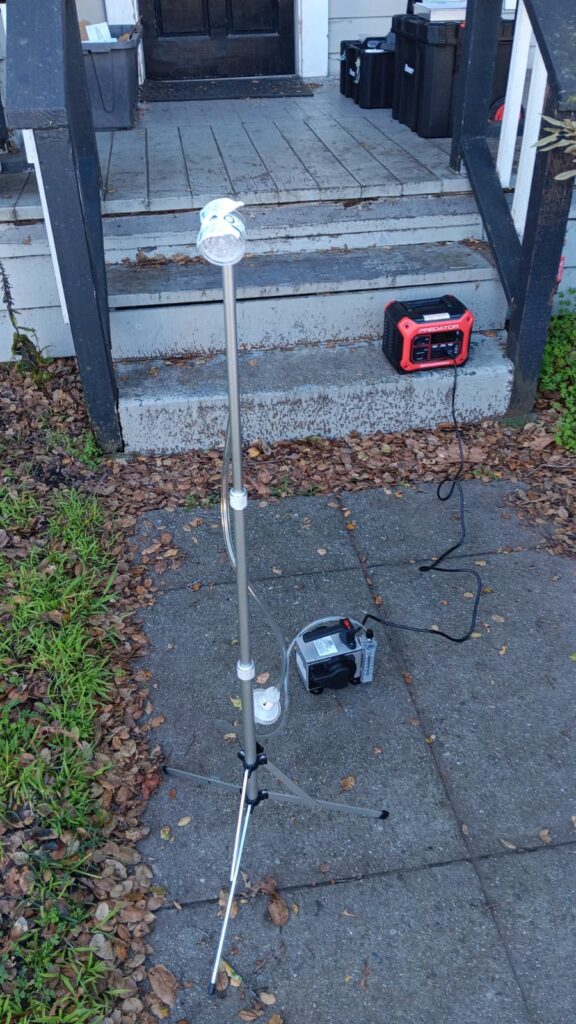
Air Samples
Measure the number and type of mold spores in the air.
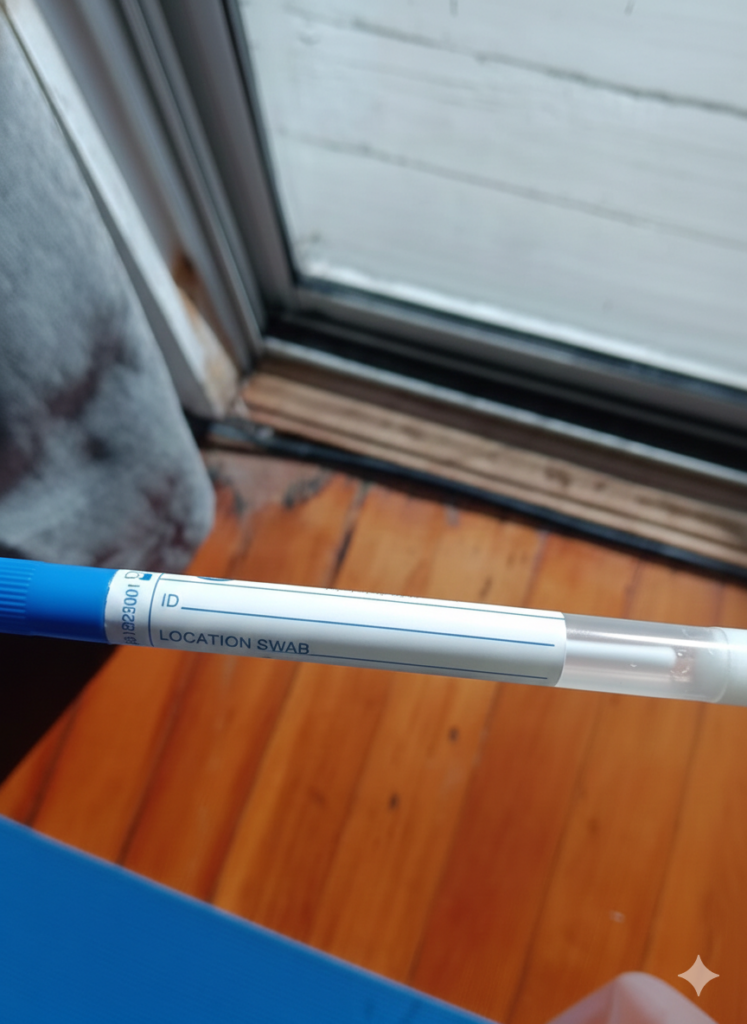
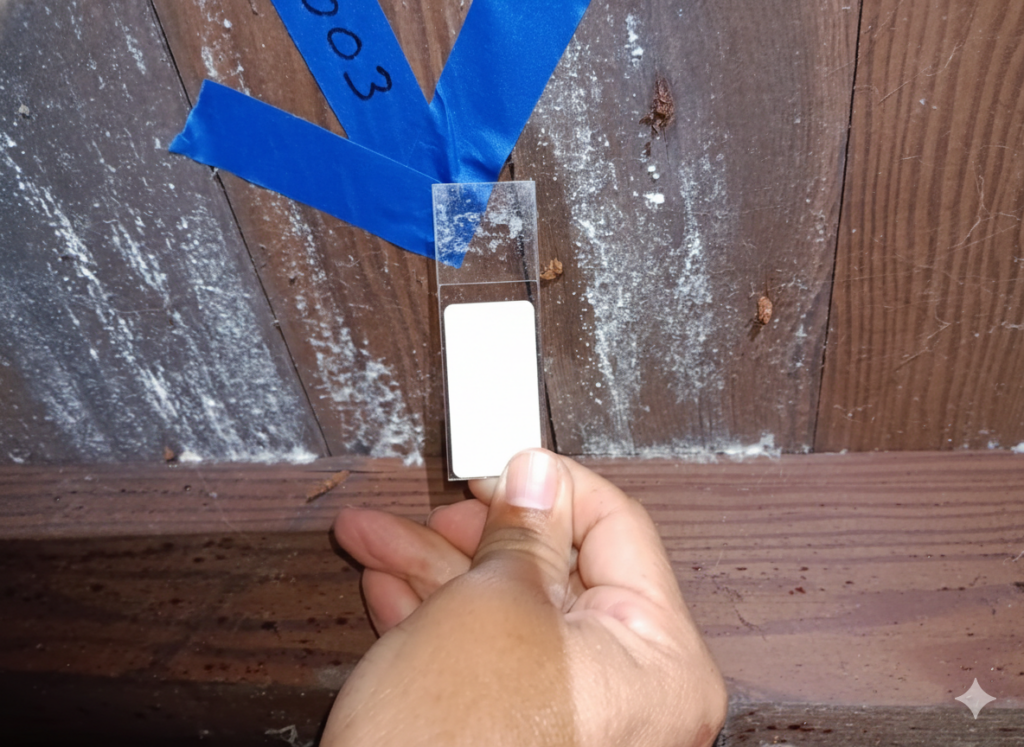
Surface Samples
Collected from visible growth or suspect areas to determine the type of mold present.
The results help determine whether mold levels are within normal environmental ranges.

Preventing Mold Growth
The most effective way to prevent mold growth is by controlling moisture.
Homeowners can reduce the risk of mold by:
- Keeping indoor humidity between 30% and 50%
- Using bathroom and kitchen exhaust fans
- Fixing leaks promptly
- Ensuring proper drainage around the building
- Maintaining gutters and downspouts
- Using dehumidifiers in damp areas
Regular maintenance and early detection of moisture issues can significantly reduce the likelihood of mold growth.
When Should You Consider a Mold Inspection?
A professional mold inspection may be helpful if:
- There is a persistent musty odor
- You suspect hidden mold growth
- There has been recent water damage
- Occupants are experiencing indoor air quality issues
- Mold is visibly present in the home
A qualified inspector can help evaluate the situation and provide information about the conditions within the property.