
Mold Inspection
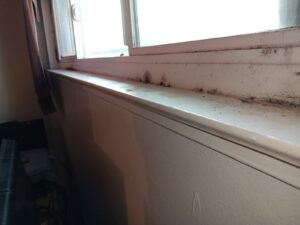
A mold inspection is a detailed evaluation of a property to identify visible mold growth, moisture problems, and conditions that may promote mold growth indoors.
Unlike a standard home inspection, a mold inspection specifically focuses on environmental conditions related to moisture, building materials, and fungal growth.
During the inspection, the inspector thoroughly examines accessible areas of the property to identify signs of water damage, visible mold, or any other indicators of moisture-related issues.
What the Inspection Includes
A typical mold inspection may include:
- Visual inspection of accessible areas such as walls, ceilings, attics, crawl spaces, and bathrooms
- Identification of visible mold growth or suspect fungal growth
- Detection of water damage, stains, or structural moisture issues
- Evaluation of ventilation and humidity conditions
- Identification of potential moisture sources
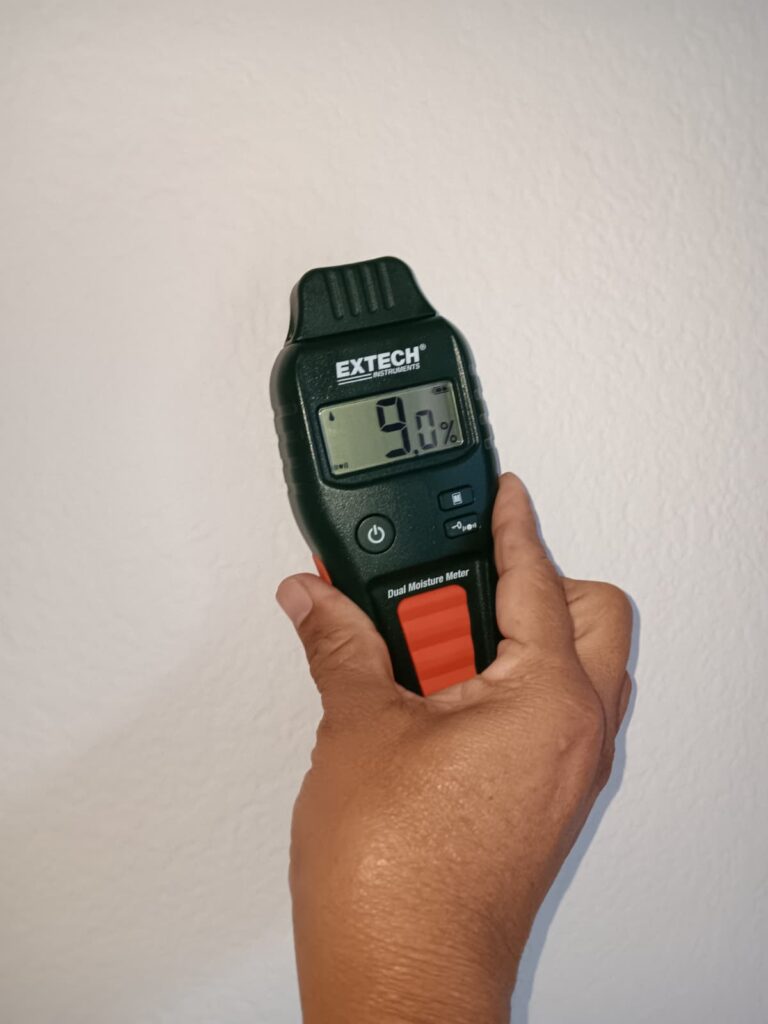
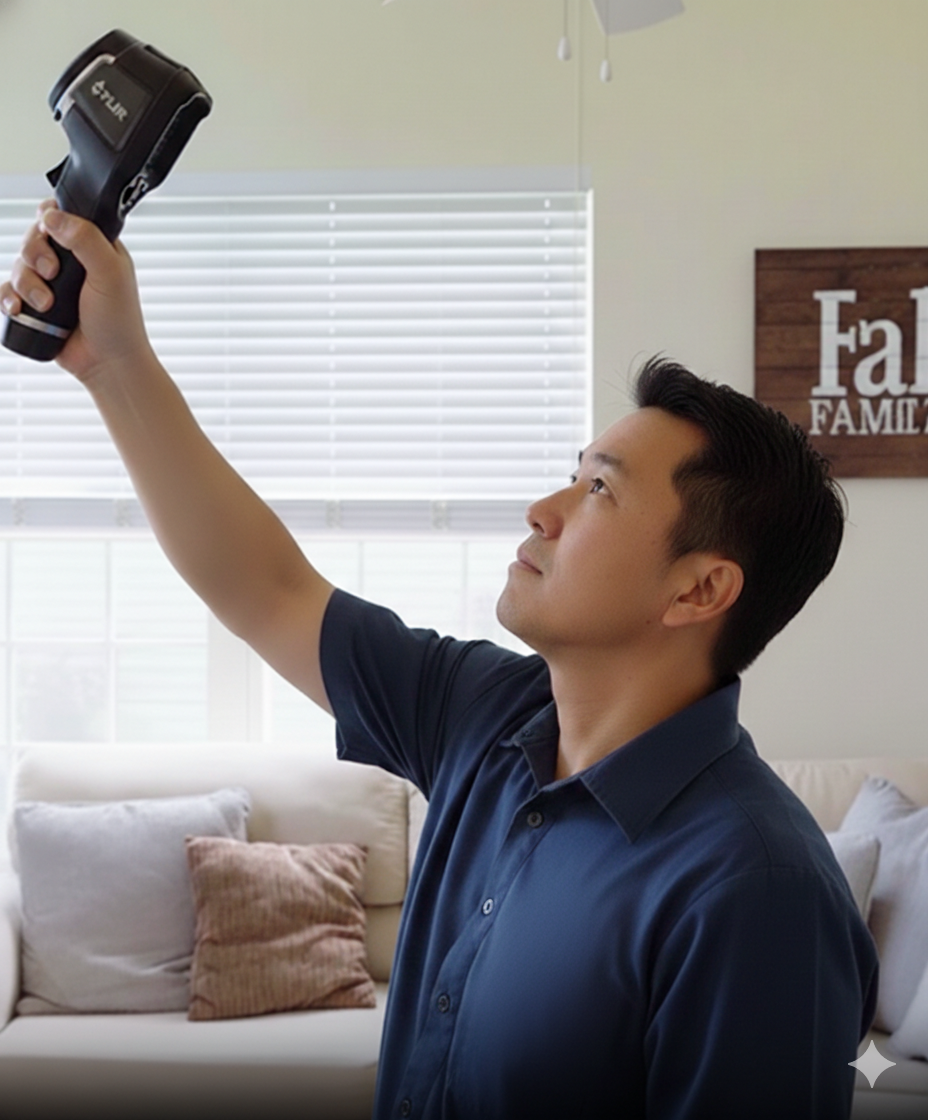
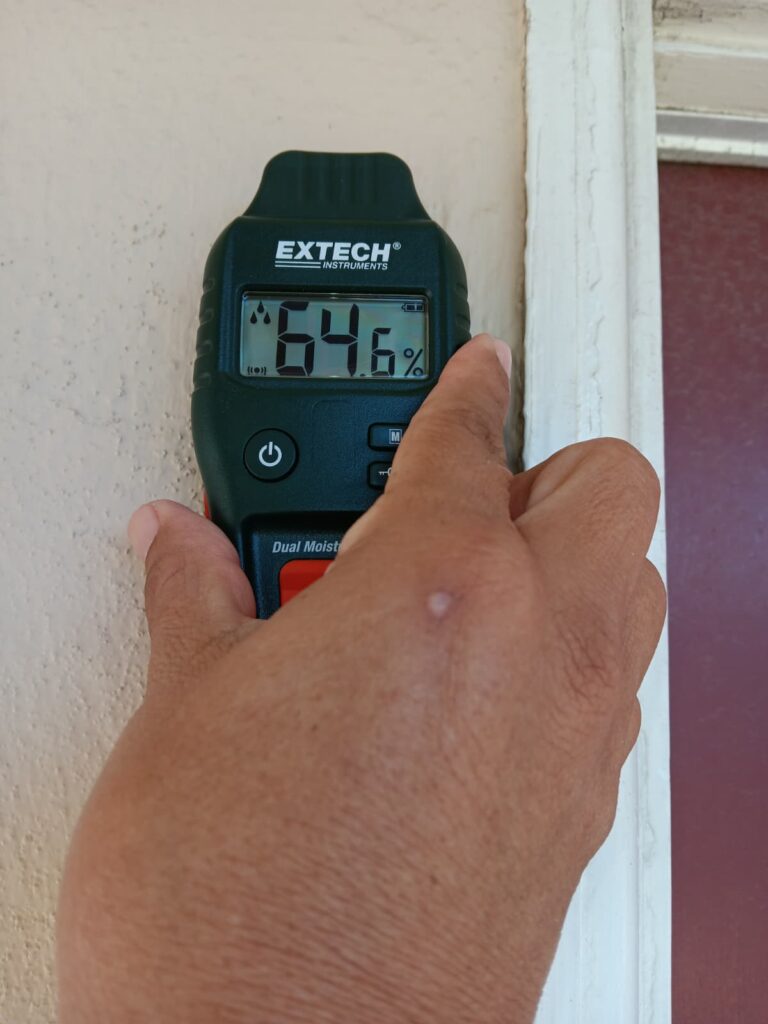
Specialized tools may be used during the inspection, including:
- Moisture meters to measure moisture levels in building materials
- Thermal imaging cameras to detect hidden moisture behind walls or ceilings
At the end of the inspection, the client receives information about the conditions observed in the property and recommendations for further action if necessary.
Mold Testing
Mold testing involves collecting environmental samples to determine the presence and concentration of mold spores within a building.
Testing is typically performed when mold growth is suspected, when indoor air quality issues exist, or following water damage events.
Samples collected are sent to and analyzed by an independent accredited laboratory to identify the types and quantities of mold present.
Types of Mold Samples
Depending on the situation, different types of samples may be collected.
Air Sampling
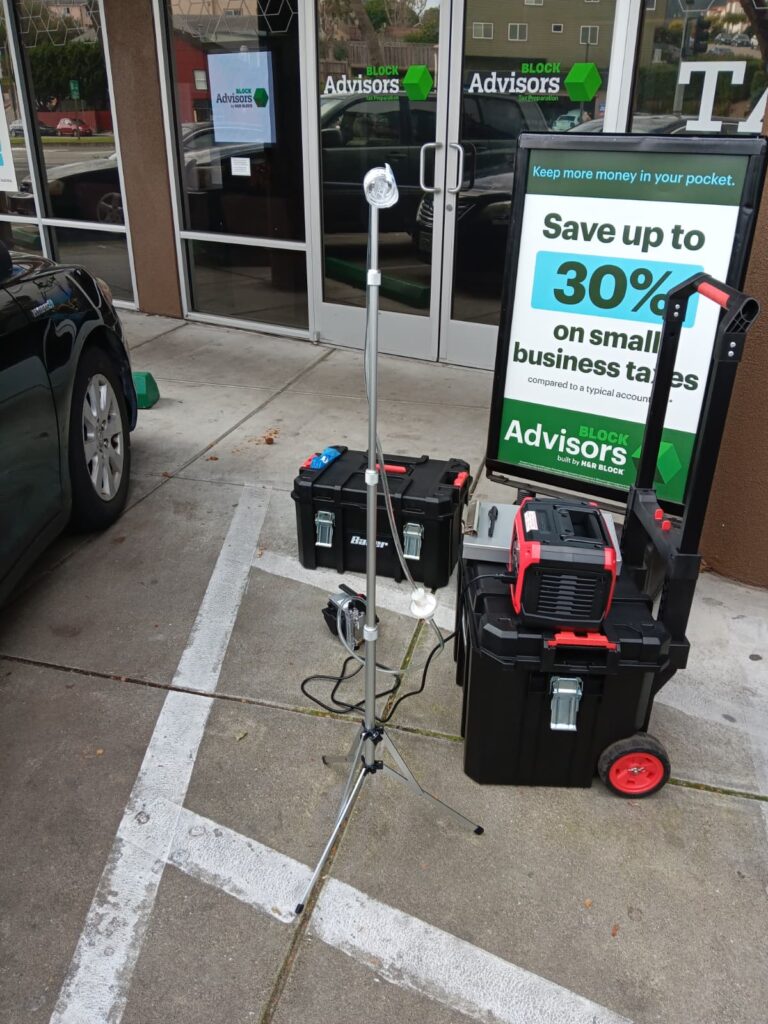
Air samples measure the concentration of mold spores in indoor air. These samples are usually compared with outdoor air samples to determine whether indoor levels are elevated.
Air sampling is commonly used when:
- Mold is suspected but not visible
- There is a musty odor
- Occupants are experiencing indoor air quality issues
Surface Sampling
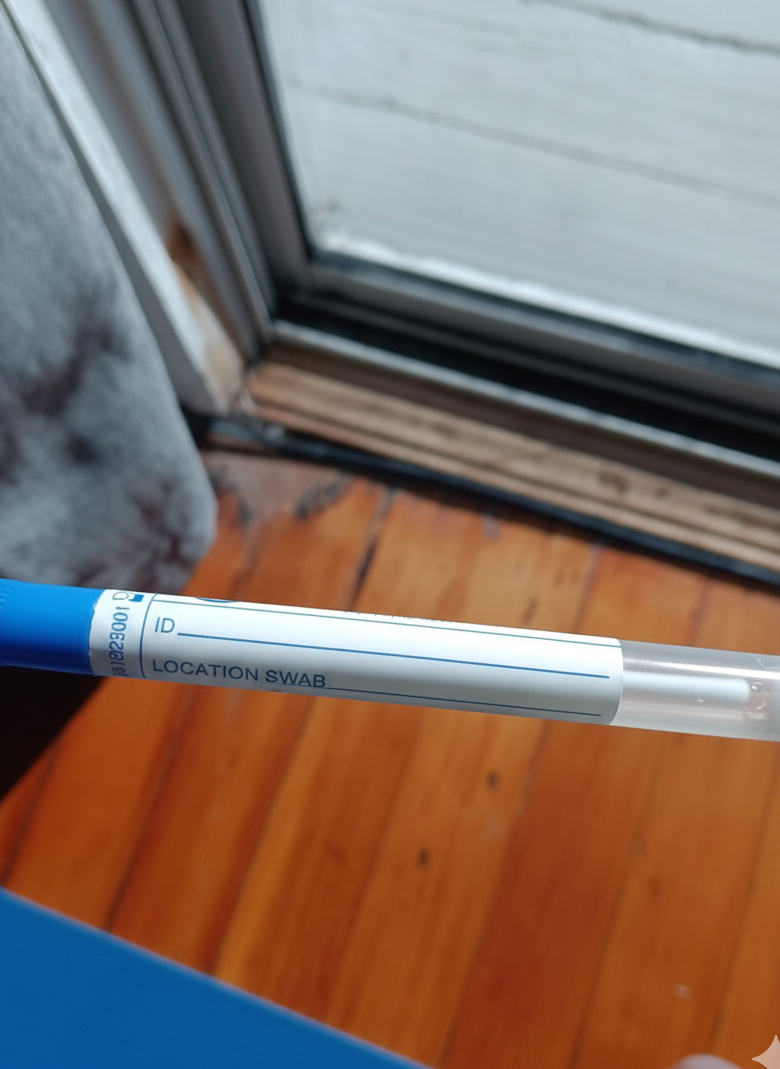
Surface samples are collected from areas where visible growth or discoloration is present. These samples help determine whether the material contains mold and identify the specific type.
All samples are sent to a certified laboratory for analysis, and the results are provided in a detailed report.

Not Sure Which Service You Need?
Here’s a quick guide to help you choose the right service for your situation.
🔍 If you think you might have mold but don’t see it → Mold Inspection
A visual evaluation will help identify hidden moisture problems and conditions that could be promoting mold growth.
💨 If there’s a musty odor or occupants are experiencing symptoms → Mold Inspection + Air Sampling
An inspection combined with air sampling will determine whether elevated mold spore levels are present indoors.
👁️ If you can see visible mold growth → Mold Inspection + Surface Sampling
A surface sample will confirm whether the growth is mold and identify the specific type present.
🏠 If you’re buying or selling a home → Mold Inspection
A professional mold inspection provides buyers and real estate professionals with an objective assessment of the property’s environmental conditions.
💧 If there has been recent water damage → Mold Inspection + Mold Testing
Water damage creates ideal conditions for mold growth. An inspection and testing will determine whether mold has already developed.