
Setting the Standard in Mold Inspection Services
Mold inspections and testing
Residential environmental inspections specializing in mold testing, mold inspections, and indoor air quality assessment in the San Francisco Bay Area.
We provide professional and unbiased mold inspections to help homeowners, buyers, and property managers identify moisture problems, indoor air quality issues, and potential mold growth. Our goal is to deliver clear information so you can make informed, confident decisions.
Why Choose Us?
Over 20 Years Solving Mold Problems!
✔ Certified and trained professionals
✔ Advanced moisture detection technology
✔ Detailed and easy-to-understand reports
✔ Fast turnaround time
✔ Independent and unbiased assessments
Service Areas
Proudly Serving the Greater San Francisco Bay Area
We provide professional mold inspection and testing services throughout the Bay Area. From the coast to the South Bay, our certified team is ready to help homeowners, buyers, and property managers identify and address mold problems wherever you are.
📍 Areas We Serve:
- San Francisco San Francisco City & County
- East Bay Oakland, Berkeley, Fremont, Hayward, San Leandro, Alameda, and surrounding cities
- Alameda County Dublin, Pleasanton, Livermore, Newark, Union City, and surrounding cities
- San Mateo County Daly City, San Mateo, Redwood City, Palo Alto, and surrounding cities
- Santa Clara County San Jose, Santa Clara, Sunnyvale, Mountain View, Cupertino, and surrounding cities
- Marin County San Rafael, Novato, Mill Valley, Sausalito, and surrounding cities
Don’t see your city? Give us a call we likely cover your area too! 📞 (510) 467-0242
Our Services
We specialize in inspection and testing, providing the most reliable and up to date solutions you need.
Mold Inspection
A mold inspection is a professional process designed to identify the presence of mold within a property, determine its possible origin, and assess the moisture conditions that are contributing to it.
Mold Testing
Mold testing is a process that involves collecting air or surface samples within a property to identify the types of mold present and assess environmental conditions. This procedure helps determine if there are elevated levels of mold spores indoors and how they compare to the outdoor environment.
With Us, You’ll Find the Solution to Your Mold Problems
How Do We Detect Mold on Your Property?
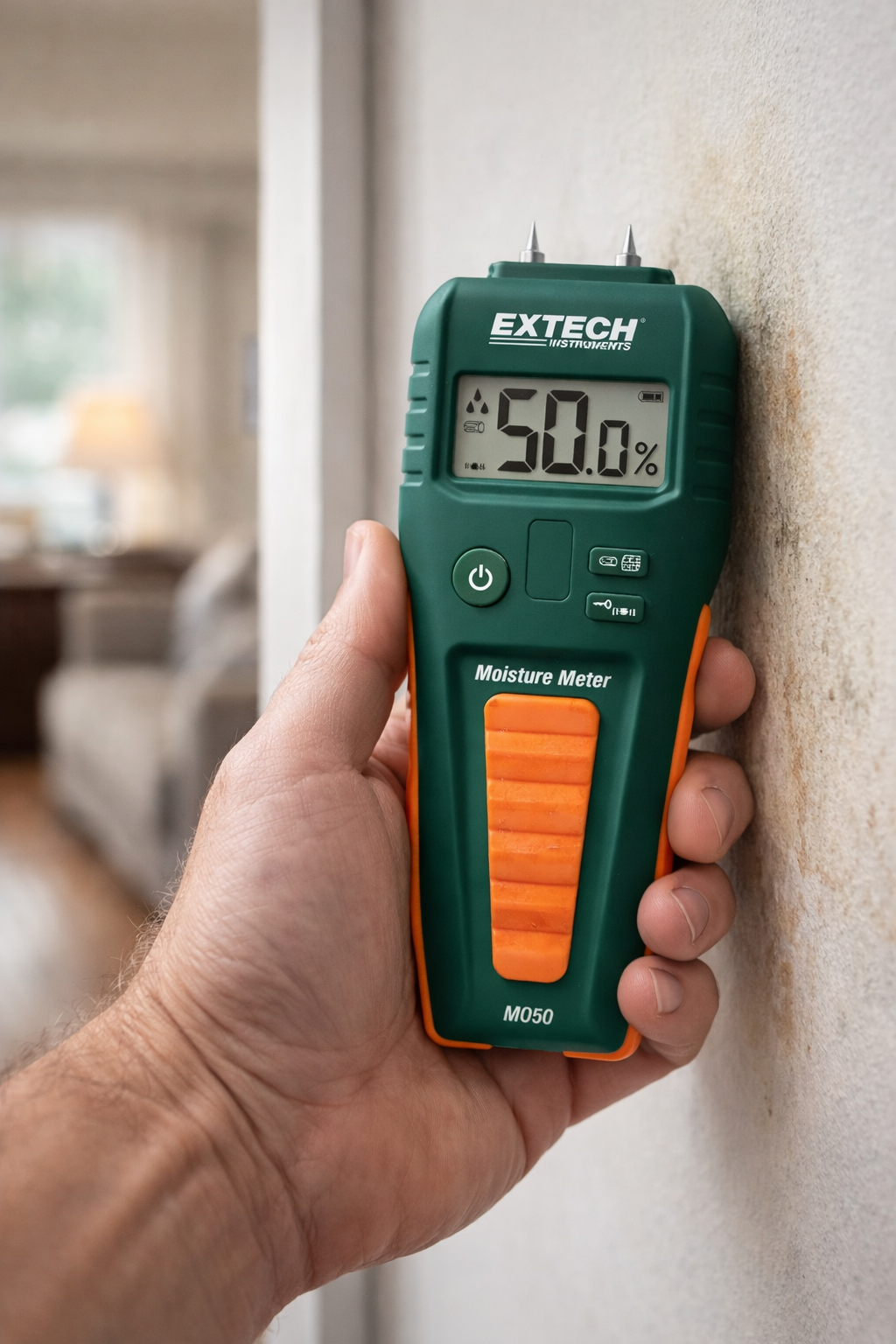
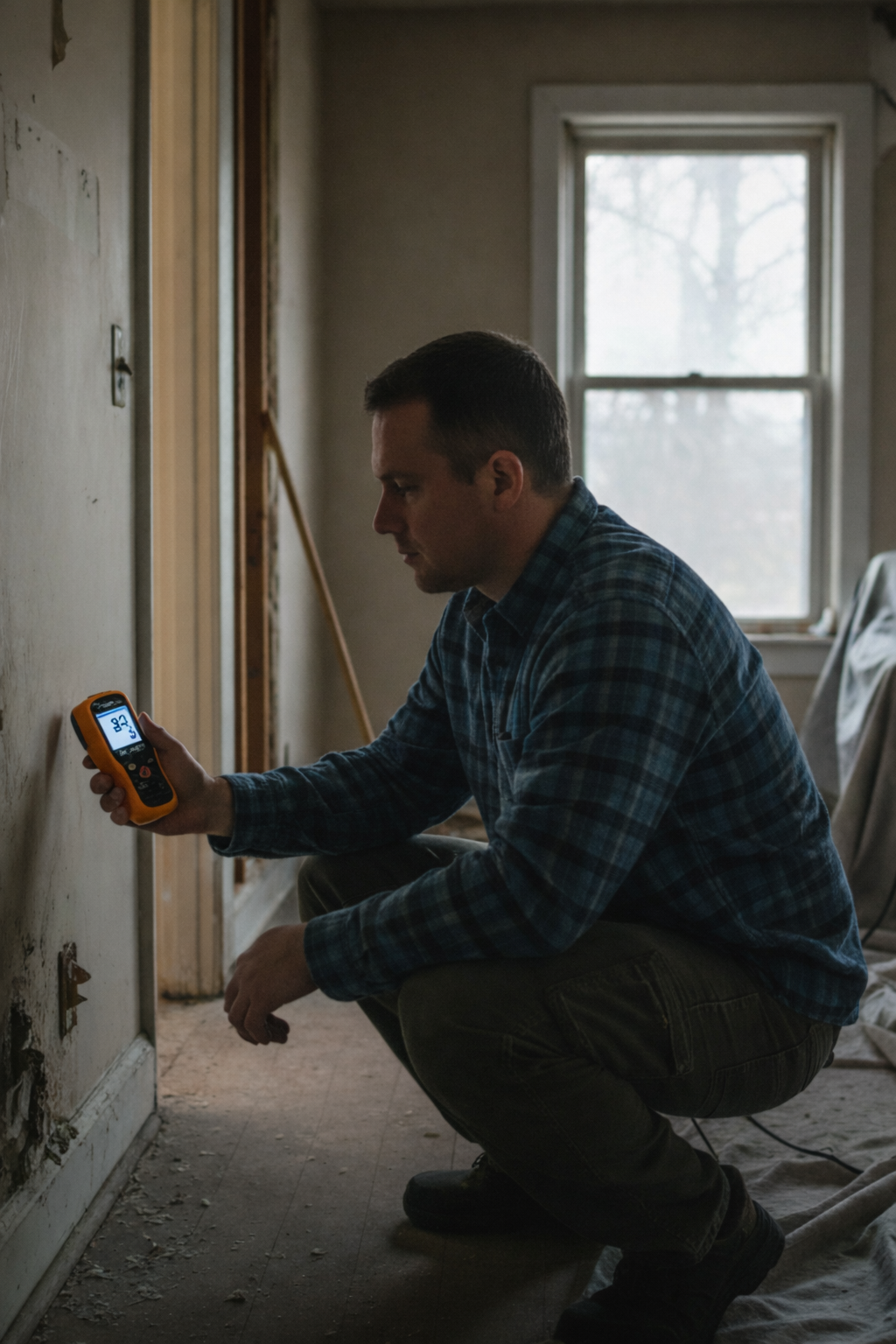
Moisture Meter
A moisture meter detects moisture levels in materials like walls, floors, and ceilings, helping identify hidden areas with potential mold growth.
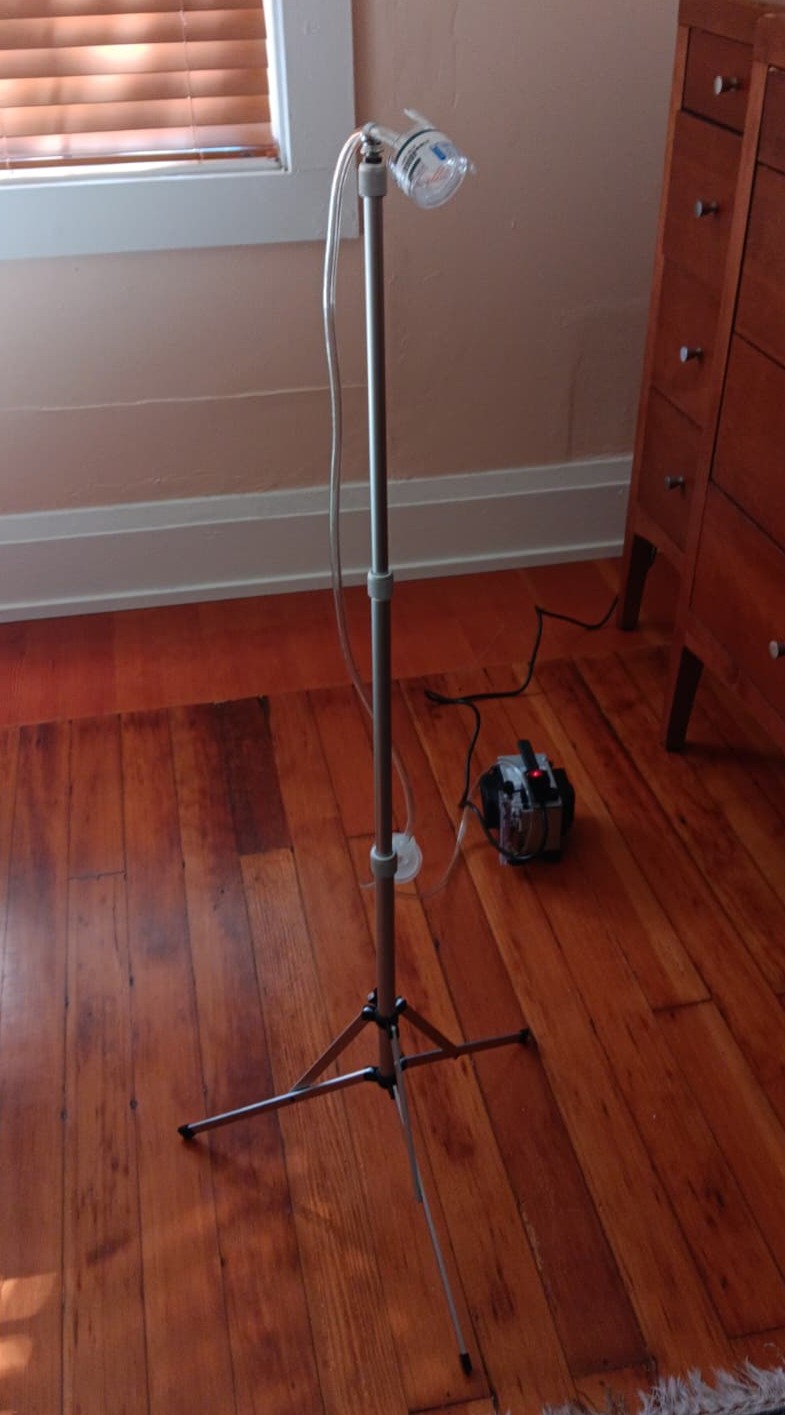
Air Sample
Air samples allow us to evaluate the concentration and types of mold spores indoors, comparing them to outdoor levels to determine whether a hidden problem exists.
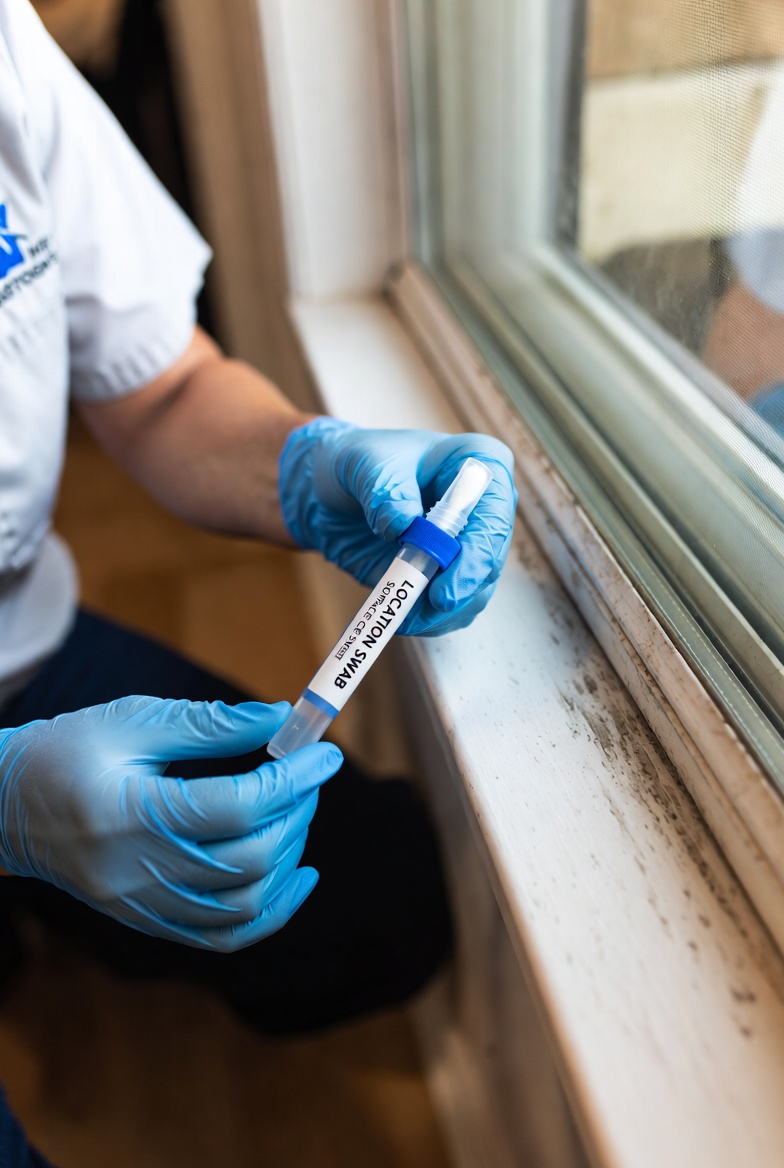
Surface Sample
Surface samples are taken from visible or suspected areas to confirm the presence of mold and identify the specific type present.
Our Mold Inspection Process
1️⃣ Initial Consultation
We discuss your concerns, property history, and any known moisture or mold issues.
2️⃣ Visual Inspection
We perform a detailed visual evaluation of accessible areas such as attics, crawl spaces, basements, and living spaces.
3️⃣ Moisture Detection
Using advanced professional tools, we locate hidden moisture behind walls, ceilings, and floors.
4️⃣ Sampling (When Necessary)
When needed, air or surface samples are collected to identify mold types and evaluate indoor air quality conditions.
5️⃣ Detailed Report
You receive a clear, detailed report including findings, photos, and actionable recommendations.
Frequently Asked Questions
A: Mold is a type of fungus that reproduces by releasing microscopic spores into the air. Indoors, it becomes a concern when spores land on surfaces with the right moisture conditions, potentially affecting both the property and indoor air quality.
A: Three conditions must be present: moisture, organic building materials such as drywall or wood, and suitable temperatures. Controlling moisture is the most effective way to prevent mold growth.
A: Common sources include roof or plumbing leaks, high indoor humidity above 60%, and everyday activities like cooking or showering without proper ventilation.
A: A professional inspection may be helpful if there is a persistent musty odor, you suspect hidden mold growth, there has been recent water damage, or mold is visibly present in the home.
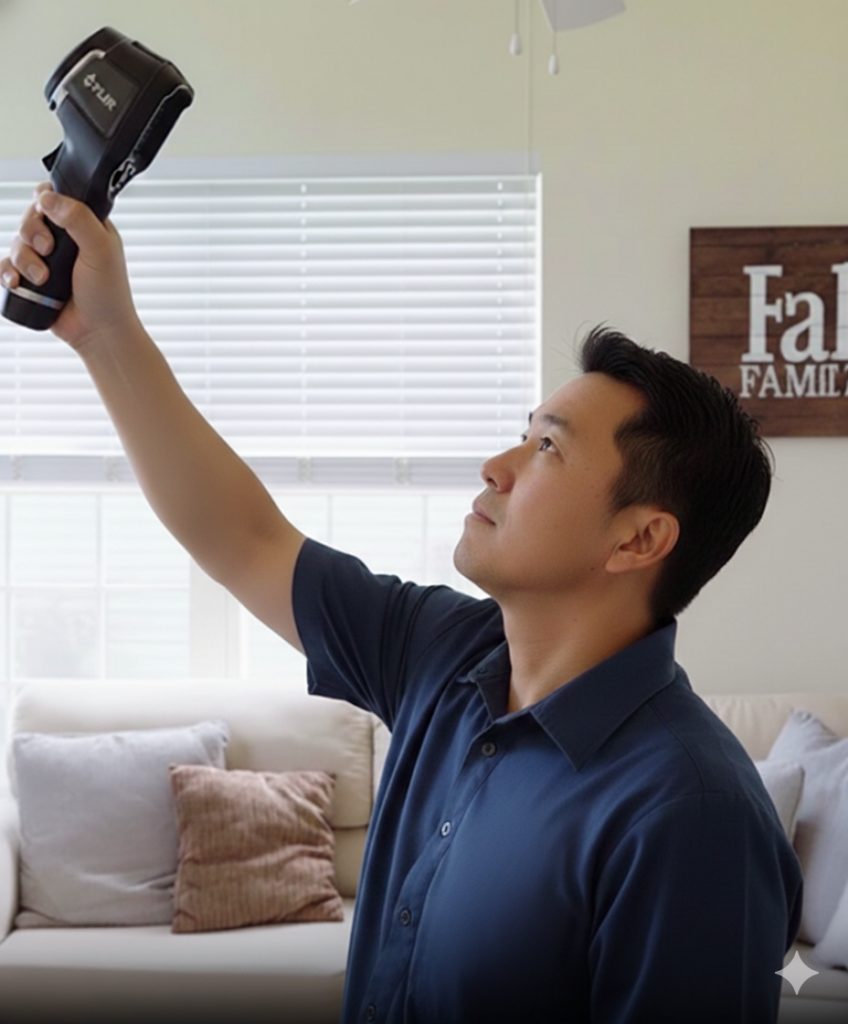
A: The inspector performs a visual evaluation of accessible areas, uses moisture meters and thermal imaging cameras to detect hidden moisture, and collects air or surface samples when necessary.
A: Some people may experience sneezing, eye irritation, skin irritation, or respiratory discomfort when exposed to mold spores. Individuals with asthma or allergies may be more sensitive.
A: Keep indoor humidity between 30% and 50%, use exhaust fans in bathrooms and kitchens, fix leaks promptly, and use dehumidifiers in damp areas.